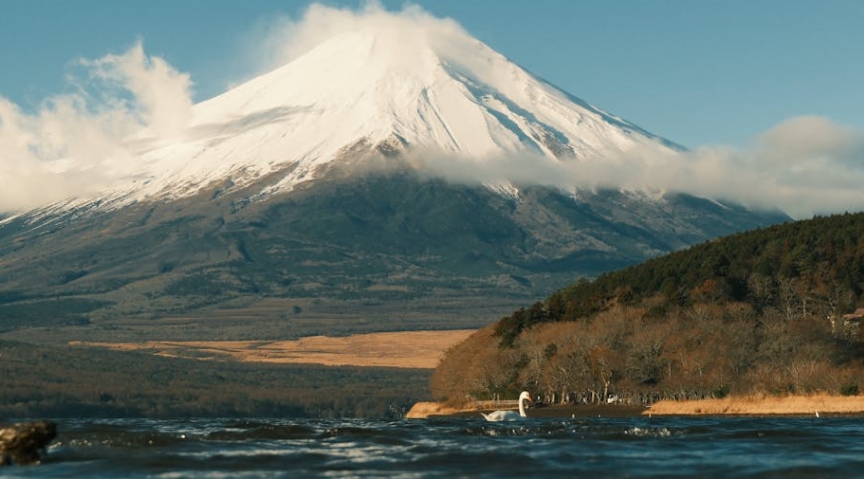


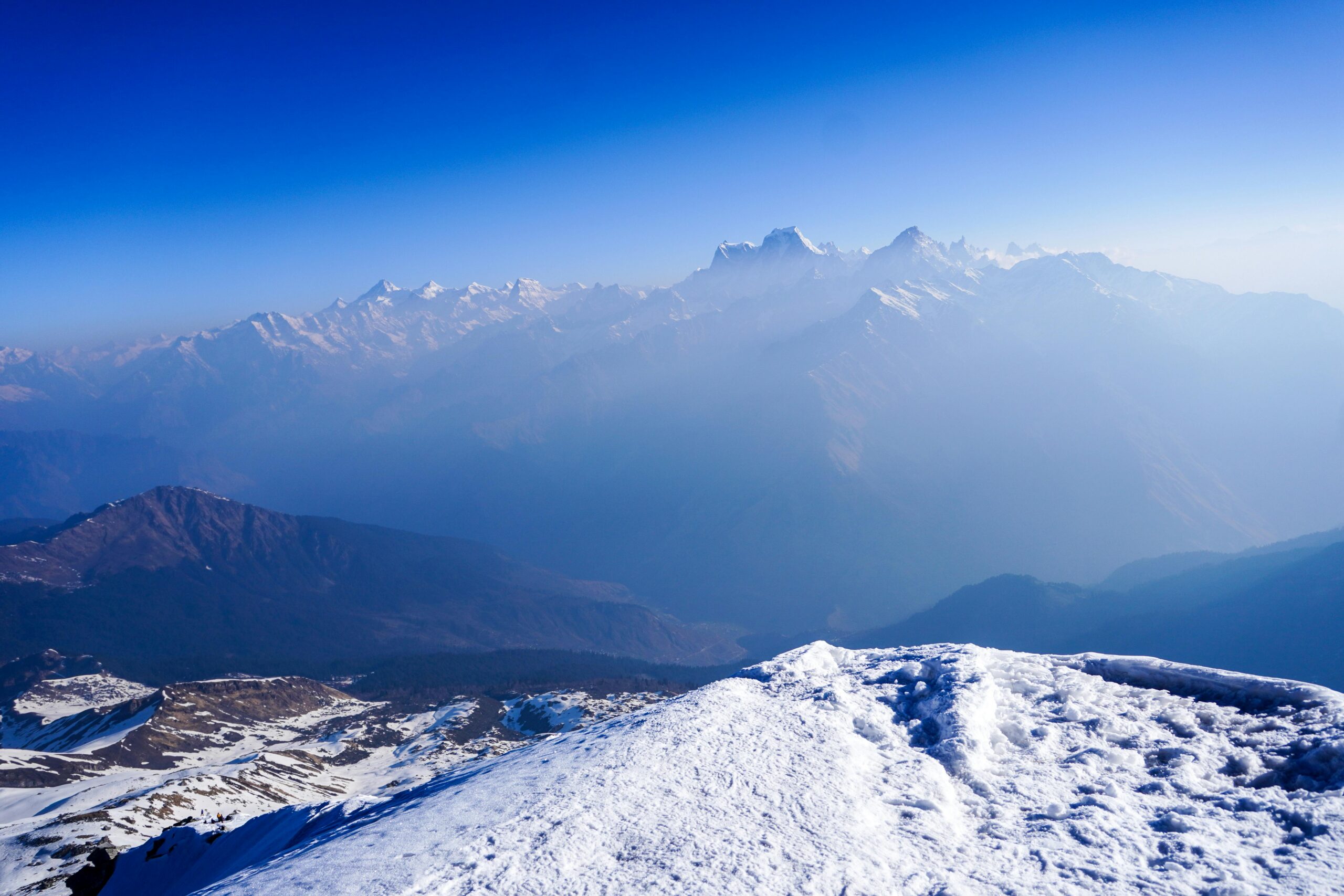
The Himalayas are one of the most iconic trekking regions in the world.
Stretching across several countries in Asia, this mountain range attracts hikers not only for its dramatic landscapes, but also for its cultural depth and sense of scale.
Contrary to popular belief, Himalayan trekking is not limited to extreme mountaineers. Many routes are suitable for beginners, provided that safety, pacing, and preparation are taken seriously.
This guide introduces the most popular Himalayan trekking routes and practical safety advice for first-time trekkers.
What Is Himalayan Trekking?
Himalayan trekking refers to multi-day walking routes in and around the Himalayan mountain range. Unlike technical mountaineering, trekking routes usually:
- Follow established trails
- Pass through villages and lodges
- Require no climbing equipment
- Focus on endurance, scenery, and acclimatization
In short, it is accessible adventure, not extreme sport.
Popular Himalayan Trekking Routes (By Difficulty)
Table 1. Best Himalayan Trekking Routes
| Route | Country | Difficulty | Highlights | Suitable for Beginners |
|---|---|---|---|---|
| Everest Base Camp | Nepal | Moderate | Everest views, Sherpa culture | Yes |
| Annapurna Circuit | Nepal | Moderate–Challenging | Diverse landscapes | Yes (with time) |
| Langtang Valley | Nepal | Easy–Moderate | Quiet trails, glaciers | Yes |
| Snowman Trek | Bhutan | Challenging | Remote wilderness | No |
| Markha Valley | India (Ladakh) | Moderate | High-altitude desert | Yes (with acclimatization) |
For beginners, Everest Base Camp and Langtang Valley are often considered the best starting points.
Common Risks of Himalayan Trekking
The greatest risks in the Himalayas are environmental, not technical.
Table 2. Common Trekking Risks and Causes
| Risk | Main Cause | Prevention |
|---|---|---|
| Altitude sickness | Rapid ascent | Slow pace, acclimatization |
| Weather changes | Mountain climate | Flexible itinerary |
| Fatigue | Overexertion | Rest days, hydration |
| Navigation issues | Poor visibility | Local guides, maps |
Understanding these risks in advance significantly reduces danger.
Essential Safety Guidelines
1. Go Slow and Acclimatize
Altitude affects everyone differently. Walking slowly and allowing rest days is the most effective safety strategy.
A common rule:
“Climb high, sleep low.”
2. Never Ignore Altitude Symptoms
Headache, nausea, dizziness, or loss of appetite are early warning signs.
If symptoms worsen, descending is the only reliable solution.
3. Weather Always Comes First
Weather conditions can change rapidly in the Himalayas.
If conditions deteriorate, turning back is a responsible decision—not a failure.
4. Consider Hiring a Guide
For beginners, local guides offer:
- Route knowledge
- Safety judgment
- Emergency support
Guides significantly reduce uncertainty, especially in remote areas.
Essential Trekking Gear (Beginner-Friendly)
Table 3. Basic Himalayan Trekking Gear Checklist
| Category | Essential Items |
|---|---|
| Footwear | Broken-in trekking boots |
| Clothing | Layered insulation, rain jacket |
| Protection | Sun hat, sunscreen |
| Safety | Headlamp, first-aid kit |
| Other | Trekking poles, refillable bottle |
You don’t need expensive equipment—reliability matters more than brand.
Best Time for Himalayan Trekking
Table 4. Trekking Seasons Overview
| Season | Months | Conditions | Recommendation |
|---|---|---|---|
| Spring | Mar–May | Stable weather, clear views | Excellent |
| Summer | Jun–Aug | Monsoon rains | Not recommended |
| Autumn | Sep–Nov | Dry, cool, best visibility | Excellent |
| Winter | Dec–Feb | Cold, snow | Limited routes |
Spring and autumn remain the safest and most popular trekking seasons.
Is Himalayan Trekking Right for You?
Himalayan trekking may be suitable if you:
- Can walk 5–7 hours per day
- Prefer steady pacing over speed
- Accept weather uncertainty
- Prioritize safety over goals
It is less about strength—and more about patience and judgment.
Conclusion: Safety Is the Key to Enjoyment
Himalayan trekking offers one of the most rewarding outdoor experiences in the world.
With proper preparation, realistic expectations, and respect for the environment, it is both safe and deeply memorable.
The mountains are not something to conquer—but something to walk with.
Internal Reading Suggestions (SEO Linking)
- Key Facts About the Himalayan Mountains
- How to Prevent Altitude Sickness
- Beginner Trekking Preparation Guide