





This is a Phuket travel guide based on extended stays and repeated route testing. The focus is not on how many places you visit, but on how to experience the island in a more balanced and comfortable way.
For many travelers, Phuket still equals parties, bars, and sunbathing.
Yet once you step away from the busiest tourist corridors, the island reveals far more depth than its reputation suggests.
I spent several weeks in Phuket, deliberately avoiding the typical “bus-stop-photo-leave” routes. By adjusting the pace and revisiting different areas, a more three-dimensional Phuket gradually emerged—
one that balances must-see classics with quiet corners, adrenaline with genuine rest.
This is not a one-size-fits-all checklist, but a route shaped by real use and experience.
Quick Check: Who This Guide Is (and Isn’t) For
Before going further, here’s a quick way to see if this article fits your travel style.
This guide works well for you if you:
- Are visiting Phuket for the first time and want to avoid obvious mistakes
- Prefer a mix of classic highlights and lighter, less crowded experiences
- Believe doing fewer things well is better than rushing through many
- Don’t enjoy tightly packed, hour-by-hour itineraries
This guide may not suit you if you:
- Plan to spend the entire trip inside resorts or nightlife districts
- Need extremely dense schedules and constant movement
- Have little interest in nature, culture, or experience-based travel
If you relate more to the first group, keep reading.
What to Do: Three Core Exploration Axes
If you only lie on the beach, you’ll miss much of what makes Phuket interesting.
The island truly shines when explored vertically and horizontally.
1. The Ocean Axis: Island Hopping and the Underwater World
Phi Phi Islands and Maya Bay remain worthwhile—but timing matters.
Early-morning speedboat tours departing around 6:30 a.m. allow you to experience Maya Bay before the main crowds arrive.
One practical tip:
Choose small-group tours and confirm they include Monkey Beach and snorkeling stops. Many low-cost tours only pause briefly for photos.
If your interest in the ocean goes beyond surface-level sightseeing, the Similan Islands are a major upgrade.
Open only from November to May, they are among the world’s top diving destinations.
With enough budget, a 2–4 day liveaboard dive trip offers experiences that are difficult to replicate elsewhere.
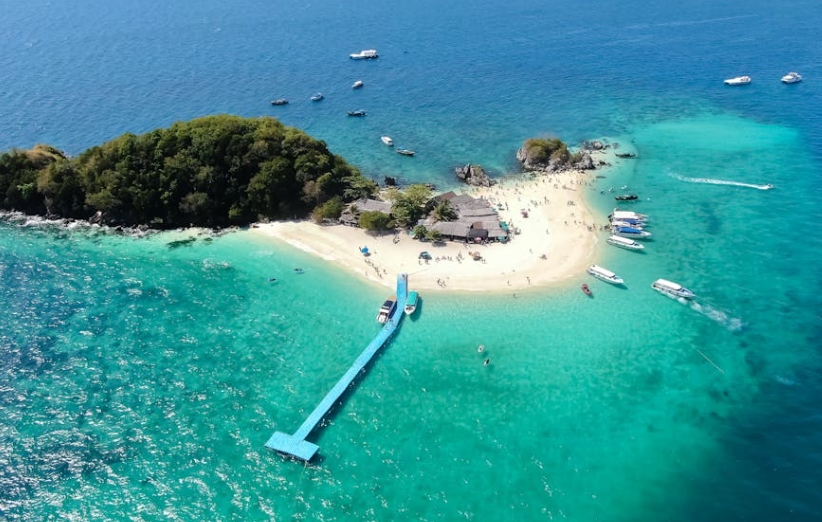
For something lighter, Banana Beach on Coral Island is a solid option.
Close to Chalong Pier and accessible in about 15 minutes by boat, it charges a small entrance fee but offers clean water, fewer crowds, and an easy half-day pace.
2. The Land Axis: Culture and a Touch of Adventure
The Big Buddha and Wat Chalong are best visited early in the morning.
With fewer people and cooler temperatures, the panoramic island views feel far more rewarding than a midday visit.
If you want a break from coastal scenery, Phang Nga’s jungle activities provide contrast.
Ziplining and ATV riding feel more engaging than expected and add energy to the itinerary.
One important note regarding elephant activities:
👉 Only choose ethical sanctuaries that focus on feeding and bathing—no riding.
Save Sunday evening for Phuket Old Town’s night market.
Beyond food, it offers a glimpse into local life through Sino-Portuguese buildings, street art, and live music.
3. The Sky Axis: Seeing Phuket From Above
Promthep Cape at sunset is popular, but it still delivers.
Arrive early, find a slightly elevated spot, and the atmosphere becomes surprisingly calm as the sun sets over the Andaman Sea.
If you’re willing to pay for a once-in-a-lifetime perspective, a helicopter tour around the island is, in my view, one of Phuket’s most worthwhile splurges.
It’s expensive, but the aerial view of Phi Phi and Phang Nga’s limestone formations is unmatched.
First-Time Visitors: How to Set Priorities
If your time is limited, these five experiences should come first:
- Early-morning Phi Phi Islands / Maya Bay
- Big Buddha + Wat Chalong (morning visit)
- Phuket Old Town Sunday night market
- One high-quality day tour (Similan Islands or Phang Nga Bay)
- At least half a day with no fixed plans
How Much Does It Cost? A Realistic 7-Day Budget (USD)
Estimates below reflect peak season (November–April) for one person and are intended for decision-making, not exact pricing.
| Category | Budget | Comfort | Luxury |
|---|---|---|---|
| International flights | 500–800 | 800–1,200 | 1,200+ |
| Accommodation (6 nights) | 180–300 | 450–900 | 1,500+ |
| Food | 15–25 / day | 30–50 / day | 80+ |
| Transport & activities | 150–250 | 300–500 | 800+ |
| Buffer | 100 | 150 | 300 |
| Total | ~950–1,500 | ~1,700–3,000 | ~3,800+ |
How to Use This Table
- Budget: Best for group tours and simple logistics
- Comfort: The best balance of experience and cost
- Luxury: Focus on selective premium experiences, not constant indulgence
A More Comfortable Route Template
The 3 + 2 + 2 Strategy:
- First 3 nights: Kata Beach (classic highlights)
- Middle 2 nights: Phang Nga (adventure and contrast)
- Final 2 nights: Bang Tao or Surin (pure rest)
Final Thoughts
Phuket’s real appeal isn’t about how many places you check off,
but whether you allow yourself to experience the island at different speeds.
Once you stop rushing through lists and start adjusting your rhythm,
Phuket gradually reveals its deeper layers.