


Antarctica is the coldest, most remote, and least inhabited continent on Earth.
It has no cities, no permanent residents, and no commercial infrastructure only ice, ocean, wildlife, and silence.
For many travelers, an Antarctic expedition is not just another trip, but a once-in-a-lifetime journey. However, traveling to Antarctica requires realistic expectations, careful planning, and a solid understanding of conditions on the ground. This guide breaks down the essentials of Antarctic expedition travel, including weather, costs, accommodation, daily life, and the ideal group size.
When Can You Travel to Antarctica? Understanding the Weather
Antarctic tourism is only possible during the Southern Hemisphere summer, typically from November to March. Outside this window, ice conditions and extreme cold make travel unsafe.
Antarctic Travel Seasons and Conditions
| Month | Average Temperature | What to Expect |
|---|---|---|
| November | -5°C to 0°C | Pristine ice, fewer visitors, dramatic landscapes |
| December | Around 0°C | Long daylight hours, peak wildlife activity |
| January | 0°C to 5°C | Warmest month, best for landings |
| February–March | -2°C to 3°C | Whale sightings, melting ice creates vivid colors |
While Antarctica is undeniably cold, most travelers are surprised to find that, with proper gear, conditions are manageable. Wind, rather than temperature, is often the biggest challenge.
How Do You Get to Antarctica?
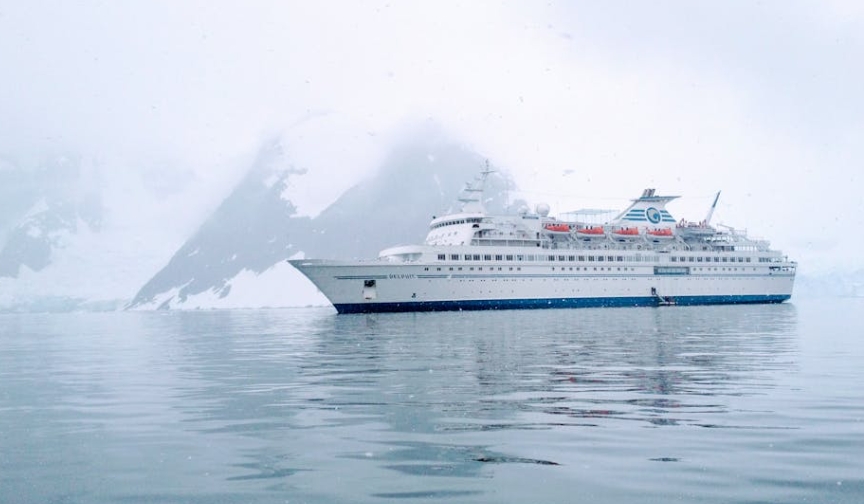
There are no commercial flights directly to Antarctica for tourists. Most travelers reach the continent by expedition ship.
The Classic Route
- Fly to Ushuaia, Argentina (the southernmost city in the world)
- Board an expedition vessel
- Cross the Drake Passage (approximately two days)
- Begin landings along the Antarctic Peninsula
The Drake Passage is famous for rough seas, but modern expedition ships are equipped with stabilizers that significantly improve comfort.
How Much Does an Antarctic Expedition Cost?
Antarctica is one of the most expensive travel destinations in the world due to logistics, safety requirements, and environmental regulations.
Typical Antarctic Expedition Costs (Per Person)
| Category | Price Range (USD) | What’s Included |
|---|---|---|
| Entry-level | $10,000–$13,000 | Basic cabin, standard landings |
| Mid-range | $13,000–$18,000 | More shore excursions, expert guides |
| Luxury | $18,000–$25,000+ | Smaller ships, helicopters, photography-focused |
Most expeditions include accommodation, meals, guided landings, Zodiac transfers, and educational programs. International flights, visas, and crew gratuities are usually not included.
Where Do You Stay in Antarctica?
There are no hotels in Antarctica for tourists. All accommodation is provided aboard expedition ships.
Life on an Expedition Ship
Mostly twin-share cabins (limited single cabins)
Private bathrooms and heating
Comfortable but practical design
The focus is safety and functionality rather than luxury, though higher-end vessels offer surprisingly refined comfort.
What Do You Eat?
Meals are prepared onboard by professional chefs and designed to support energy needs in cold environments.
Hot meals three times a day
Western-style cuisine with vegetarian options
Snacks, tea, and coffee available throughout the day
Food is not a concern—most travelers eat very well.
What Do You Do Each Day in Antarctica?
Antarctic expeditions are activity-focused, weather permitting.
Typical daily activities include:
Zodiac landings on ice and rocky shores
Walking among penguin colonies
Observing seals and seabirds
Glacier viewing and ice formations
Onboard lectures by scientists and polar experts
Plans remain flexible, as weather and ice conditions always take priority.
How Many People Should Travel Together?
Ideal group size: 2–4 people
Group Size Considerations
Solo travelers: possible, but more expensive and mentally demanding
Couples (2 people): most common and comfortable
Small groups (3–4 people): ideal for shared experience and safety
Larger groups (5+): not recommended due to cabin limitations and logistics
Antarctica is an intense environment. Having companions enhances both safety and emotional experience.
Is Antarctic Expedition Travel Right for You?
Antarctica is best suited for travelers who:
Are in good general health
Can tolerate uncertainty and schedule changes
Do not require luxury accommodations
Have a genuine interest in nature and wildlife
If seasickness, cold weather, or rigid itineraries are deal-breakers, Antarctica may not be the right destination.
Why Travel to Antarctica?
Antarctica offers something few places on Earth can: scale, silence, and perspective.
Standing on the ice, surrounded by nothing but white landscapes and wildlife, many travelers experience a profound sense of humility. It is not a place to conquer, but a place to witness.
For those prepared for its realities, an Antarctic expedition is not just a journey—it is a transformation.