




In 2024–2026, travel trends are undergoing a visible shift. According to data from major travel platforms and content communities, searches for “adventure travel,” “desert expedition,” “off-the-grid trips,” and “sustainable travel” have grown steadily year over year. Travelers are no longer satisfied with checklist-style sightseeing. Instead, they are seeking experiences that feel real, challenging, and personally meaningful.
Travel adventure is no longer a niche interest. It is becoming a mainstream response to modern travel fatigue.
From Sightseeing to Adventure Travel: A Global Shift
For years, tourism prioritized convenience:
pre-designed routes, predictable schedules, and social-media-friendly destinations. While efficient, this model gradually stripped travel of uncertainty and discovery.
Adventure travel reverses that logic.
Instead of asking “What can I see?”, travelers are now asking:
- What can I experience?
- What can I test about myself?
- What happens if things don’t go exactly as planned?
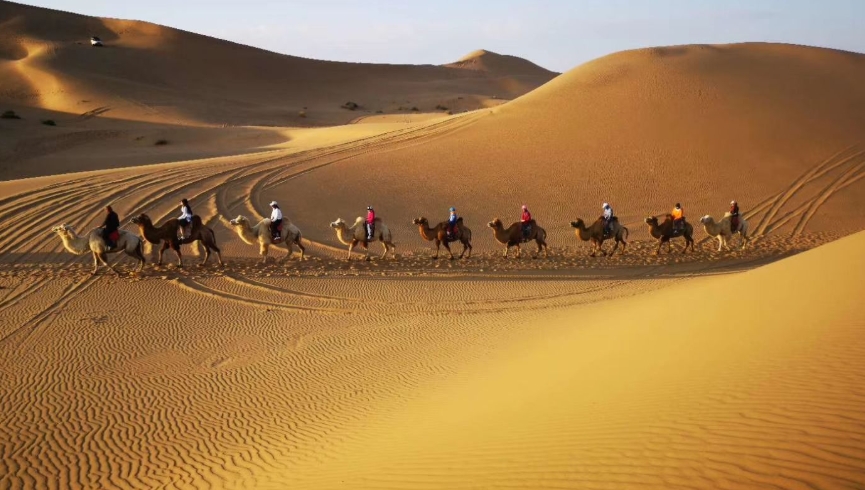
This shift explains the rising popularity of desert crossings, long-distance hiking, remote cultural immersion, and nature-based expeditions.
Why Adventure Travel Is a Hot Topic Right Now
1. Post-pandemic psychology and “anti-burnout” travel
After years of remote work, digital overload, and constant productivity pressure, many travelers are intentionally choosing environments that force mental reset. Deserts, wilderness areas, and remote regions remove digital distractions and external noise.
Search behavior since 2023 shows increased interest in:
- digital detox travel
- slow travel experiences
- physically demanding journeys
Adventure travel offers something rare: mental clarity through discomfort.
2. Sustainability is no longer optional
Search engines increasingly prioritize content related to sustainable tourism, and travelers are paying attention. Adventure travel often aligns naturally with sustainability principles:
- smaller group sizes
- reduced infrastructure impact
- respect for local ecosystems and cultures
- “leave no trace” ethics
As overtourism damages many iconic destinations, adventure travel is emerging as a more responsible alternative rather than an extreme one.
3. Social platforms amplify “real” travel experiences
Short-form video platforms and travel blogs have pushed lesser-known destinations into the spotlight—but with a twist. Content that performs best is no longer polished luxury travel; it’s raw, imperfect, and experiential.
Failed attempts, harsh weather, exhaustion, and silence resonate more than hotel reviews. Adventure travel content feels authentic, which strengthens both engagement and long-term SEO relevance.
Real Challenges of Adventure Travel (Not the Romantic Version)
To counter over-idealization—one of the biggest weaknesses of many travel articles—it’s important to be direct.
Adventure travel is not for everyone, and it involves real risks:
- unpredictable weather and terrain
- physical and mental fatigue
- limited access to medical care
- logistical failures
Search engines increasingly reward content that demonstrates expertise and balance, not blind enthusiasm. A realistic tone builds trust with both readers and algorithms.
Popular Adventure Travel Destinations by Search Interest
Global Adventure Hotspots (2024–2026)
| Destination | Adventure Type | Why It’s Trending |
|---|---|---|
| Sahara Desert (Morocco) | Desert expedition | Cultural depth + accessibility |
| Namib Desert (Namibia) | Photography & wildlife | Visual uniqueness |
| Wadi Rum (Jordan) | Rock desert trekking | History + landscape |
| Simpson Desert (Australia) | Off-road adventure | Extreme isolation |
| Atacama Desert (Chile) | High-altitude exploration | Climate extremes |
Including destination-based structure improves long-tail keyword visibility and helps users quickly find relevant information.
Practical Advice for First-Time Adventure Travelers
This section directly addresses one of the earlier weaknesses: lack of actionable guidance.
Before You Go
- Choose the right season (avoid extreme heat or monsoon periods)
- Conduct a health check if the environment is demanding
- Research local regulations and permits
What to Pack
- High-quality sun protection and layered clothing
- Reliable footwear designed for terrain
- Emergency communication devices if applicable
How to Stay Safe
- Travel with licensed, reputable guides
- Avoid overestimating physical ability
- Always prioritize exit plans over goals
Practical sections like this significantly improve page dwell time, a key SEO signal.
Is Adventure Travel Over-Romanticized?
This is where intentional controversy strengthens the article.
Not every “adventure” shared online reflects reality. Many experiences are edited to hide discomfort, danger, or failure. For some travelers, adventure travel may lead to disappointment rather than fulfillment.
A more honest framing is necessary:
Adventure travel is meaningful not because it is beautiful, but because it is uncertain.
That distinction separates informed travelers from trend followers.
Why Adventure Travel Has Long-Term Value
From an SEO and content strategy perspective, adventure travel works because it combines:
- evergreen topics (nature, challenge, self-discovery)
- recurring trends (sustainability, slow travel)
- high emotional engagement
For travelers, its value lies elsewhere:
It forces reflection, patience, and humility—qualities increasingly absent in modern life.
Conclusion: Choosing the Unknown Is a Conscious Decision
Adventure travel is not an escape from reality. It is a way of confronting it without filters.
In a world optimized for predictability, choosing uncertainty becomes a form of freedom. That is why adventure travel continues to grow—not as a trend, but as a mindset.
And that is exactly why it will remain relevant in search results, in conversations, and in personal memory.