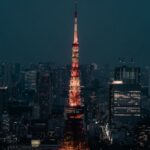
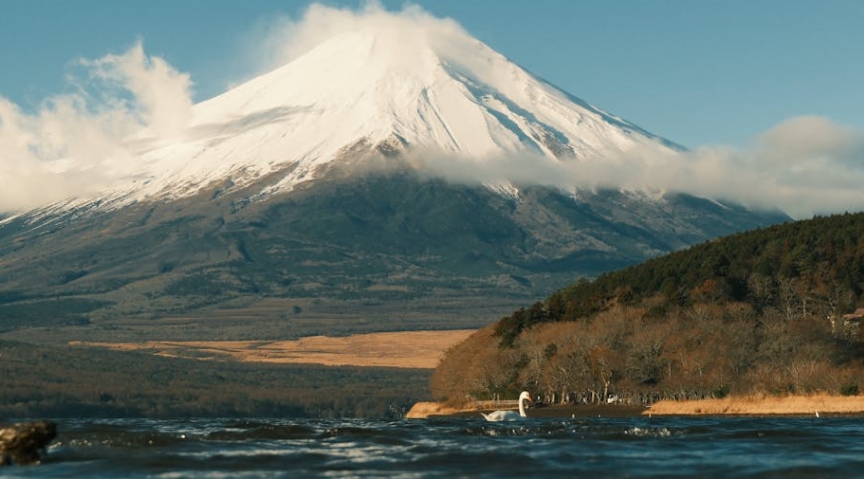
Most people first see Mount Fuji from a distance — framed perfectly against the Tokyo skyline on a clear morning. It looks calm, symmetrical, almost effortless.
Climbing it feels very different.
I went in mid-August, during the official climbing season. The weather was stable, but the mountain was crowded. That combination tells you a lot about what to expect.
Climbing Mount Fuji Is Not Just a Scenic Walk
We took a direct bus from Shinjuku in Tokyo to the 5th Station. The ride took a little over two hours.
By the time we arrived, the temperature had already dropped compared to the city. The wind felt sharper. The higher you go, the more exposed the terrain becomes.
The first half of the climb consists mostly of volcanic gravel and steady incline. There is little shade. Under the sun, the climb feels longer than it looks.
We chose to stay overnight at a mountain hut near the 8th Station to catch the sunrise. That decision made the experience manageable — and also revealed what mountain huts are really like.
They are simple, crowded, and noisy. Dozens of climbers sleep side by side on shared platforms. There are no showers. Space is limited. In August, nighttime temperatures hover around freezing.
At around 2:00 a.m., headlamps begin forming a slow-moving line up the final stretch. That final section is the most physically demanding. The air thins. The slope steepens. Movement slows because of congestion.
The sunrise is powerful, not because it is dramatic in scale, but because you worked to see it.
The descent, however, surprises many people. Loose volcanic gravel makes footing unstable. Knees take more strain than during the climb up.
Mount Fuji Climbing Cost Breakdown (Two Days, One Night)
| Expense Category | Estimated Cost (USD) |
|---|---|
| Round-trip bus from Tokyo | $30–$40 |
| Mountain hut (with simple meals) | $75–$100 |
| Climbing fee & environmental fee | $20–$30 |
| Food & snacks | $15–$25 |
| Total Estimated Budget | $150–$200 per person |
If you attempt a same-day night climb without staying at a hut, the budget may drop to approximately $70–$100. However, physical fatigue increases significantly.
Best Time to Visit Mount Fuji
Mount Fuji’s official climbing season runs from early July to early September. Outside this window, weather conditions become unpredictable and dangerous for casual hikers.
If you plan to climb, this is your only realistic timeframe.
For sightseeing only, spring and autumn often offer better conditions.
| Season | What to Expect | Climbing Access |
|---|---|---|
| July–September | Open trails, crowded, mildest weather | Yes |
| March–April | Cherry blossoms + Fuji views | No |
| October–November | Clear skies, high visibility | No |
| December–February | Snow-covered peak, best distant views | No |
Many photographers prefer winter because the snow cap looks clean and symmetrical, but climbing is closed.
Staying Near Mount Fuji Without Climbing
Not everyone needs to summit to enjoy the area. Many travelers prefer to stay around Lake Kawaguchi (Kawaguchiko), where Fuji dominates the skyline without requiring physical effort.
| Activity or Stay | Estimated Cost (USD) |
|---|---|
| Budget guesthouse | $60–$120 per night |
| Lakeside onsen hotel | $130–$250 per night |
| Bicycle rental (full day) | $15 |
| Fuji-Q Highland amusement park ticket | $40–$50 |
| Lake cruise | $10–$20 |
This approach offers a slower pace. You wake up with Fuji outside your window instead of at 2 a.m. in hiking gear.
Is Mount Fuji Worth Climbing?
Mount Fuji is not technically difficult, but it is not effortless. Expect crowds, cold nights, physical fatigue, and waiting lines near the summit.
The sense of accomplishment is real. So is the exhaustion.
If you want the cultural experience of climbing Japan’s most iconic mountain, plan for two days and budget roughly $150–$200.
If you simply want the view, spring or autumn at Lake Kawaguchi may deliver more comfort with equally memorable scenery.
Mount Fuji looks serene from afar. Up close, it demands effort.
That contrast is part of its appeal.