
A Thoughtfully Designed Journey Into One of Earth’s Most Powerful Ecosystems
The Amazon rainforest stretches far beyond landmarks and highlights. Instead, it functions as a living system—vast, humid, unpredictable, and constantly in motion.
For travelers who enter this environment, speed and spectacle quickly lose importance. What matters more is awareness. This expedition encourages participants to slow down, observe carefully, and adapt to a world that does not adjust itself for visitors. As a result, the journey appeals most to those who value depth, learning, and perspective over comfort and convenience.
What Traveling in the Amazon Actually Feels Like
Water shapes nearly every aspect of travel in the Amazon. Rivers determine access, movement, and the rhythm of daily life. For this reason, most expeditions begin in regional gateways in Brazil, Peru, or Ecuador before continuing by boat into remote forest areas.
Although guides plan each day carefully, rigid schedules rarely apply. Weather patterns, river levels, and animal activity constantly influence decisions. Early mornings usually offer the best wildlife conditions, while afternoons slow down under intense heat. By evening, the forest changes again—sounds deepen, movement increases, and the environment feels unmistakably alive.
Rather than rewarding speed, the Amazon rewards patience.
Climate, Seasons, and Physical Expectations
Temperatures in the Amazon remain consistently warm throughout the year, typically ranging between 25–32°C (77–90°F). At the same time, high humidity defines daily comfort levels, and rainfall plays a central role in shaping the landscape.
During lower-water months, travelers can explore deeper forest trails on foot. In contrast, higher-water periods open flooded areas that boats and canoes can reach. Each season reveals different aspects of the rainforest, which means no single period offers a “better” experience overall.
Because of these conditions, adaptability matters more than physical strength.
A Typical Day on an Amazon Expedition
Most days balance movement and recovery rather than constant activity. Guided walks introduce travelers to plant species, medicinal uses, and the layered structure of the forest. Later, river excursions create opportunities to observe birds, primates, and aquatic wildlife along the banks.
When appropriate, visits to nearby communities add cultural context without staging or performance. In the evening, shared meals and conversations with guides slow the pace again. On some nights, travelers venture out for short walks or boat rides to observe nocturnal species.
Throughout the journey, the experience remains immersive but never rushed.
Wildlife Encounters: What to Expect Realistically
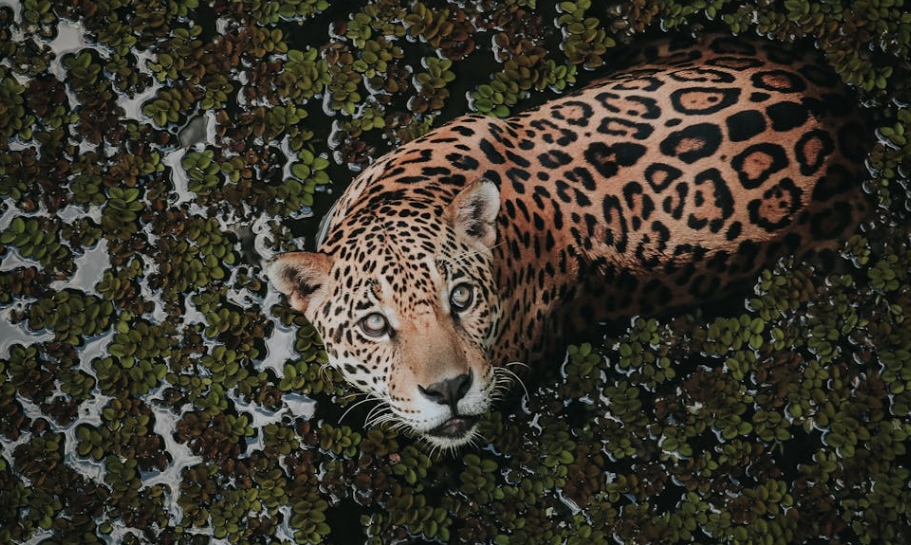
The Amazon supports extraordinary biodiversity; however, it does not guarantee sightings. Animals move according to instinct, not expectation. Large mammals often remain hidden, while birds, insects, reptiles, and amphibians appear more frequently.
Because of this, experienced local guides play a critical role. They read subtle signs, explain behavior, and help travelers understand what the forest reveals naturally. Nothing feels staged, and nothing needs to be forced.
In this environment, authenticity replaces spectacle.
Accommodation and Comfort Standards
Expeditions typically rely on carefully selected jungle lodges or expedition vessels. These accommodations prioritize safety, sustainability, and immersion rather than luxury.
Most rooms include mosquito netting and basic amenities. Electricity may operate on limited schedules, and internet access often remains unavailable. Instead of treating this as a limitation, many travelers find that reduced connectivity enhances focus and presence.
Comfort exists here, but it serves the experience rather than dominating it.
Food and Daily Energy
Meals focus on nourishment and reliability. Local ingredients—fresh river fish, rice, beans, tropical fruits, and root vegetables—form the foundation of most menus. While variety remains limited, the food supports energy needs in a demanding environment.
With advance notice, lodges can usually accommodate dietary requirements. Over time, shared meals become part of the expedition rhythm rather than a highlight in themselves.
Pricing and Expedition Length Overview
Although pricing varies by region, lodge type, and season, professionally guided Amazon expeditions typically fall within the following range:
| Duration | Typical Price Range (USD) |
|---|---|
| 5–6 Days | $1,200 – $1,800 |
| 7–8 Days | $1,800 – $2,500 |
These prices generally include accommodation, meals, guided activities, river transport, and transfers from regional gateway cities. However, international flights, insurance, and medical preparations usually remain separate.
Who This Expedition Suits—and Who Should Reconsider
This journey intentionally serves a specific type of traveler.
| Well-Suited For | Not Recommended For |
|---|---|
| Nature-focused explorers | Luxury-oriented travelers |
| Patient, curious learners | Those sensitive to insects or humidity |
| Small-group travelers | Travelers requiring constant connectivity |
| Flexible, adaptable participants | Fast-paced itinerary seekers |
By clarifying suitability early, the expedition delivers stronger experiences for those who join.
Safety, Responsibility, and Local Knowledge
In the Amazon, preparation matters more than avoidance. Experienced guides manage navigation, wildlife awareness, and emergency response throughout the journey. As conditions change, teams adjust plans rather than push forward unnecessarily.
At the same time, responsible travel principles guide every decision. The expedition respects local communities, minimizes environmental impact, and treats the rainforest as an active participant—not a backdrop.
Why Choose an Amazon Rainforest Expedition?
Modern travel rarely offers true perspective. However, the Amazon still does.
Travelers often return with fewer photographs than expected, yet with a deeper understanding of scale, interdependence, and limitation. The rainforest does not invite conquest. Instead, it encourages humility.
For those willing to listen, this expedition offers more than a journey—it offers context.